
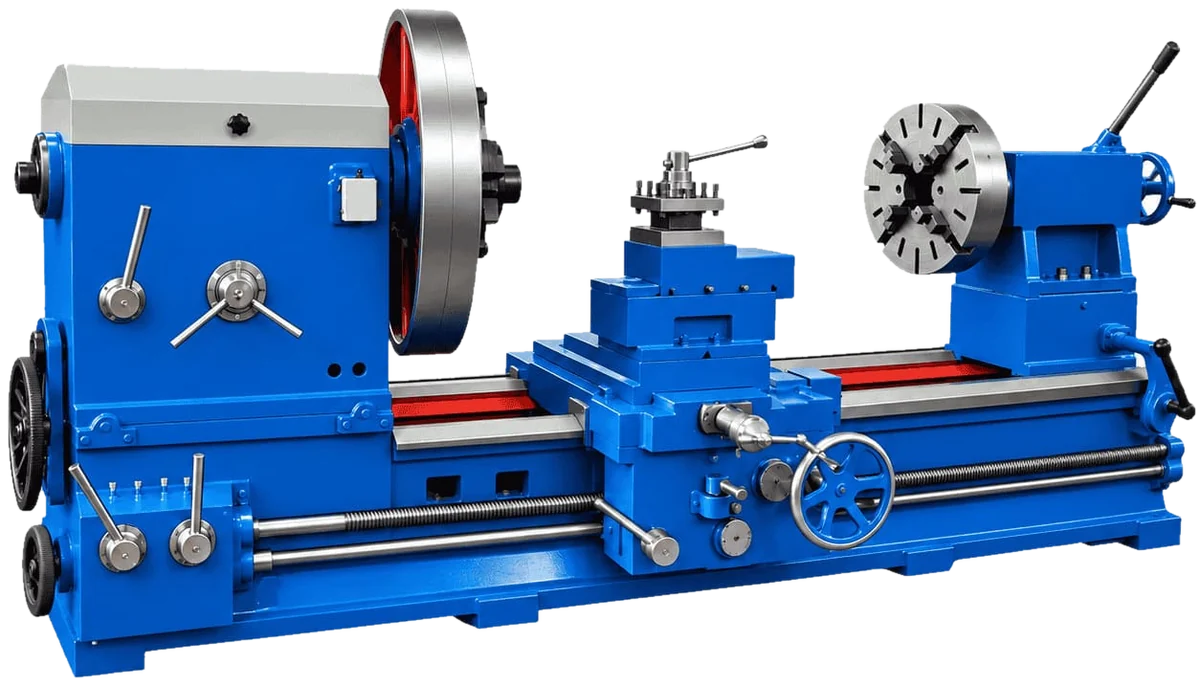
Conventional turning and drilling
Lathe turning and pillar drilling are offered as conventional, non-CNC machining. CNC turning is not offered. This work suits shafts, bushes, spindles and hole-making that form part of a wider fabrication job, or standalone work on parts you supply.
Turning and drilling sit alongside laser cutting, bending and welding in the same facility. A frame that needs turned pins, bushes or drilled mounting holes can be completed in one order, without a separate machine shop.
What can be machined
- Turning: shafts, pins, bushes, spacers and spindles.
- Drilling: hole-making on fabricated parts and customer-supplied components.
- Combined jobs: turned or drilled parts welded into frames and assemblies.
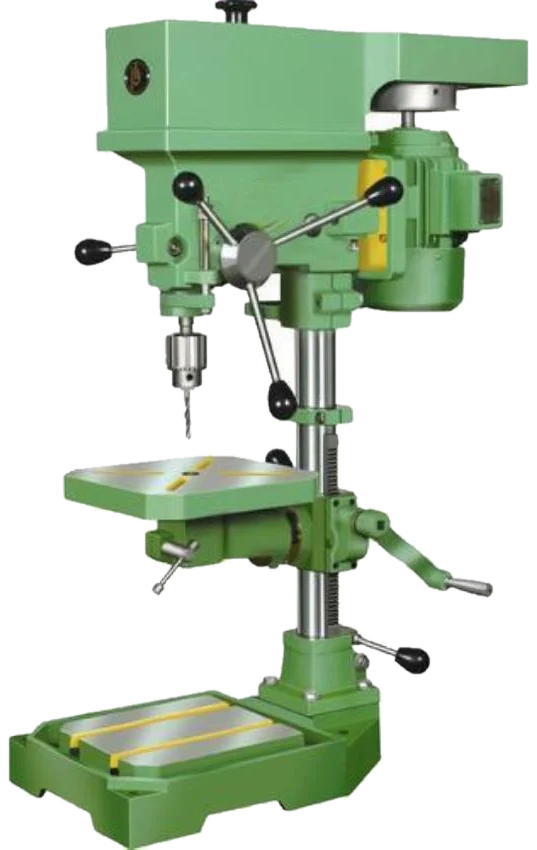
Typical turned and drilled parts
- Machinery builders: pivot pins, spacers and bushes for fabricated frames and guards.
- Maintenance teams: one-off replacement shafts, bushes and collars from a worn sample or sketch.
- Contractors: drilled base plates, brackets and anchor plates for site installation.
- Assemblies: holes drilled after welding, where position matters relative to the finished frame.
With only a worn part, send a clear photo with the key dimensions measured and marked.
When conventional machining fits
Conventional turning and drilling suit job-work quantities, replacement parts, prototypes and components of a fabricated assembly. For high-volume turned parts that need CNC repeatability, a dedicated CNC machine shop is the better choice, and that is said up front rather than quoting work the facility is not set up for.
What to send
- The drawing or key dimensions: diameters, lengths and hole sizes
- Material, such as mild steel, stainless steel, aluminium or copper
- Quantity, and whether the order repeats
- Whether the part is standalone or goes into a fabrication
Small job work is usually completed in about a day. There is no minimum order, and delivery is available anywhere in India at actual logistics cost.